What If Multiple People Caused Your Accident? Understanding Shared Liability in California Personal Injury Cases
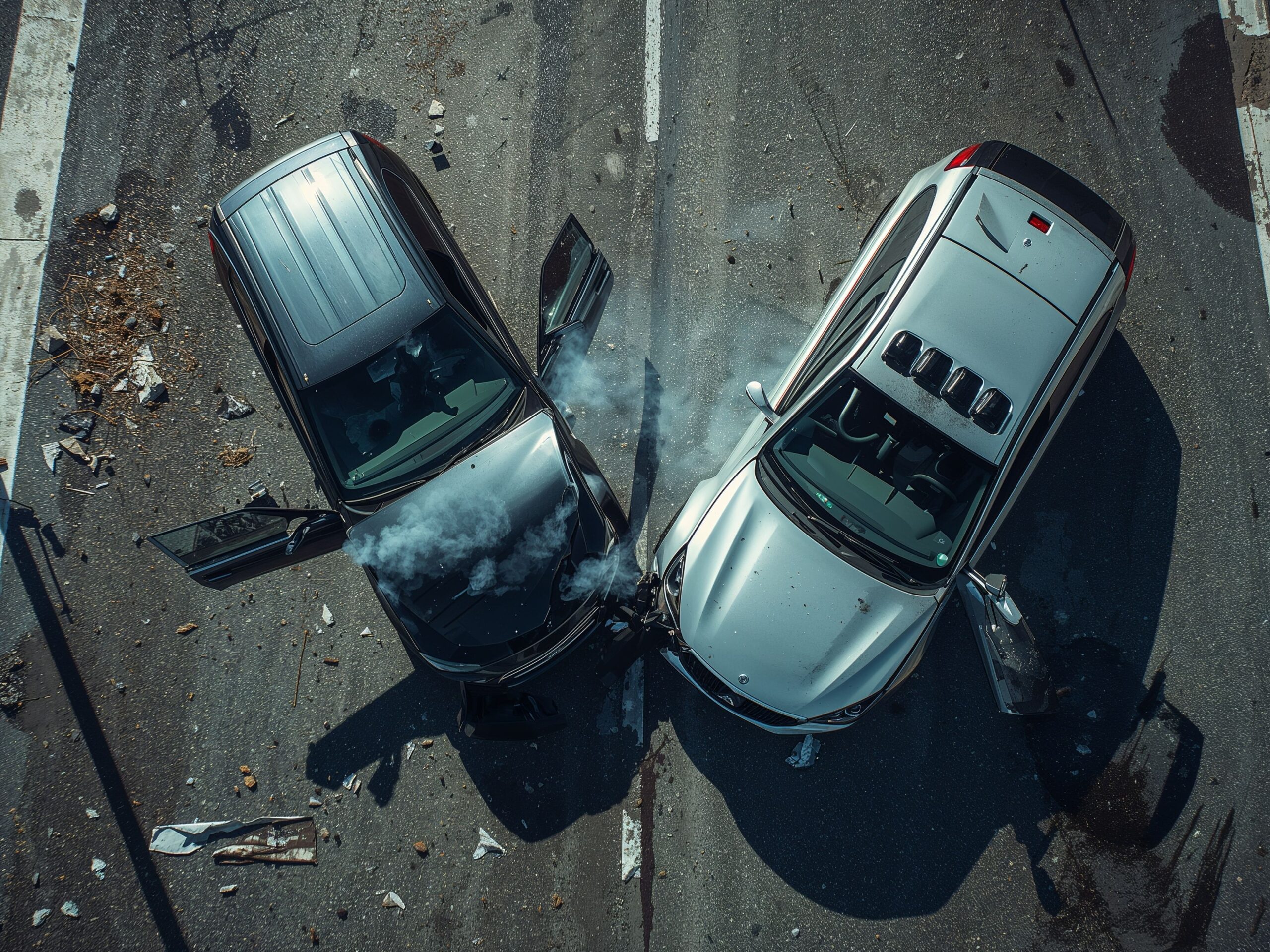
An intersection crash may involve a speeding driver, another motorist who failed to yield, and a road hazard that made the collision worse. When several people contribute to an injury, California law allows responsibility to be divided according to fault. That means an injured person may pursue compensation from more than one responsible party, even when that person shares some blame. At Dixon Law, we help injured individuals examine how an accident occurred and who may be accountable.
How California Divides Fault Between Multiple Parties
California follows a pure comparative fault system. Rather than requiring one person to carry all responsibility, a court can assign percentages to everyone whose conduct substantially contributed to an injury. This may include drivers, businesses, property owners, and the injured person.
For example, suppose two drivers are found 60% and 30% responsible for a collision, while the injured claimant bears 10% of the fault. If total proven damages equal $100,000, the claimant’s own share generally reduces recoverable damages to $90,000. How that amount may be collected from the defendants depends partly on the type of damages.
The state’s civil jury instructions on comparative fault explain that a claimant’s damages are reduced according to their percentage of responsibility.
If multiple parties contributed to your accident, Dixon Law can help determine liability and pursue compensation. Contact us today to discuss your case.
Why Identifying Every Responsible Party Matters
An accident may have causes that are not immediately apparent. A driver could be distracted, but defective vehicle equipment or unsafe property conditions might also contribute. In a commercial vehicle crash, an employer’s conduct could become relevant depending on the circumstances.
Identifying additional responsible parties requires evidence, not speculation. We examine potential sources of responsibility through our personal injury practice and assess whether the facts support claims against multiple defendants.
When liability is disputed, our personal injury attorney can evaluate the available records, identify gaps in the evidence, and explain which claims may be supported under applicable law. Early legal review may also help prevent important information from being lost.
Can You Recover Damages When You Were Partly Responsible?
Yes. Being partially responsible does not automatically prevent recovery under California’s comparative fault rules. Your share of responsibility generally reduces the damages you can receive rather than eliminating the claim entirely.
Insurance companies may argue that an injured person contributed more to an accident than the evidence supports. For instance, a defendant might point to a delayed reaction while overlooking an unsafe lane change that initiated the crash.
We work to challenge unsupported fault allegations. Our accident lawyer reviews the sequence of events and helps clients present evidence that gives an accurate account of each party’s conduct.
Economic and Noneconomic Damages Follow Different Rules
Shared liability affects not only fault percentages but also which defendant may be required to pay particular losses.
Economic damages include medical bills, lost income, and other measurable financial losses. In many cases involving multiple defendants who caused an indivisible injury, a liable defendant may be responsible for the full recoverable economic damages, subject to applicable rules and offsets.
Noneconomic damages cover losses such as pain, suffering, and emotional distress. Under California Civil Code Section 1431.2, each defendant generally pays only the portion of these damages corresponding to that defendant’s assigned fault.
These distinctions can affect negotiations, particularly when one defendant has limited insurance coverage or financial resources. Our personal injury lawyer can explain how fault allocation and available coverage may influence the practical value of a claim.
Evidence That Can Clarify Shared Responsibility
Disagreements over liability often depend on the quality of the evidence. Accident investigations may draw on several sources:
- Police reports, photographs, and surveillance or dashboard-camera footage.
- Witness statements and records showing road, vehicle, or property conditions.
- Medical records connecting the incident to documented injuries.
- Vehicle data or accident reconstruction findings when appropriate.
Defendants can also argue that an absent person contributed to the harm. California’s jury instruction on apportionment addresses how responsibility may be assigned to qualifying nonparties when supported by proof.
Our accident attorney can assess whether competing explanations align with the physical evidence. We also review how injuries affect work, treatment needs, and daily activities so the claim reflects documented losses.
What Legal Representation Can Change
Cases involving multiple defendants may involve separate insurers, conflicting statements, and disputes over who should pay. Handling one insurer’s position without understanding the others can complicate settlement decisions.
Led by attorney Justin Dixon, our firm represents injured people in La Habra and throughout Orange County. We investigate potential claims, communicate with insurers, and prepare cases for litigation when an appropriate resolution cannot be reached.
Make Every Responsible Party Answer for Their Role
An accident should not leave you carrying losses simply because several parties dispute responsibility. Dixon Law can review the evidence, assess potential defendants, and pursue compensation grounded in the facts of your case. To discuss an injury claim and the available legal options, contact us today.